Start with the honest disclosure, because it changes how you should read the rest: we're a hotel directory. We don't list barns, farms, estates or event halls, and we're not going to pretend we can tell you which one near you is best. What we can do is explain what a hotel is structurally able to offer that a venue without guest rooms isn't — and be straight about the cases where that structure is the wrong fit.
"Standalone venue" here means any wedding venue with no guest rooms attached. That covers a very wide range of places with very little in common except that one fact, and that one fact drives most of the differences below.
What the rooms actually change
The obvious version is that guests can walk upstairs. The less obvious version is that the rooms change the hotel's incentives.
A hotel makes money on your wedding twice: once on catering, once on the room-nights your guests fill. That's why a hotel will discount rooms for your guests at all, why comp rooms exist as a standard negotiating item, and why the sales conversation covers both. A standalone venue has no second revenue line, so it prices the event to carry the whole thing.
It also changes the shape of the day. The getting-ready hours, the late bar, the morning-after breakfast where half your guests are still there — those are logistics at a standalone venue and defaults at a hotel. Hotel wedding room blocks: how they actually work covers the mechanics, including the one form of block that can cost you money.
The kitchen question
Hotels cater in-house. That's usually not optional, and whether it's a benefit depends entirely on what you wanted.
In the hotel's favor: one contract, no kitchen-hire fee, no vendor-access negotiation, no caterer who has never worked the building before, and a team that has run this room hundreds of times. Against it: you're eating what this kitchen makes. If your wedding is built around a specific cuisine, a family caterer or a restaurant you love, a hotel will often say no, and the ones that say yes usually charge a buyout fee that erases the saving.
Standalone venues split into two kinds here — exclusive-caterer venues, which have the same constraint without the hotel's volume, and open-list or fully open venues, which give you real choice and hand you a second contract to manage.
The rain plan
This is the clearest structural difference and the least-discussed one.
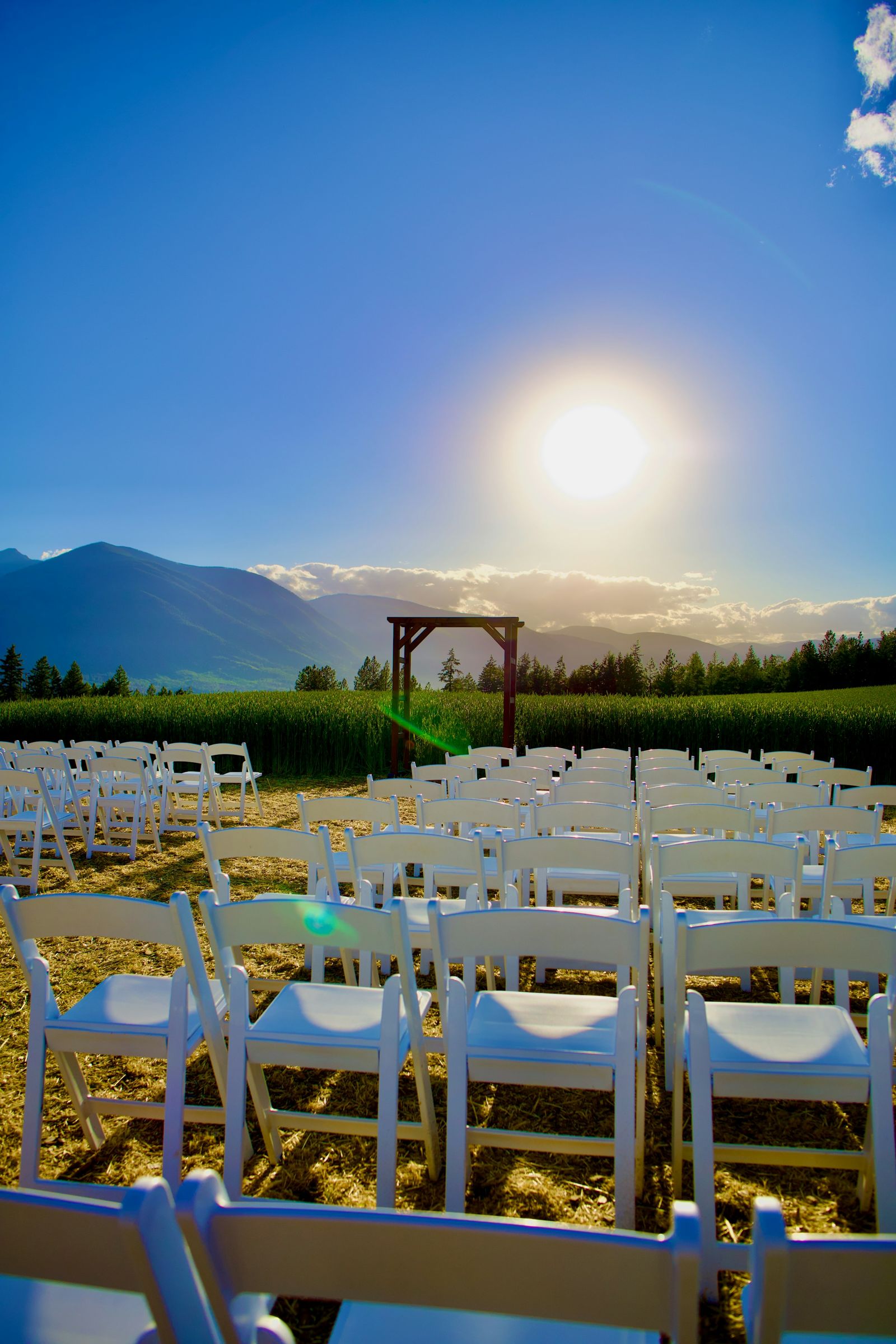
A hotel with an outdoor ceremony space almost always owns an indoor room large enough to take the whole wedding, fifty meters away, already staffed. Moving inside is a decision someone makes at 2pm and executes in twenty minutes.
A standalone outdoor venue's backup is a tent you've hired separately, decided on weeks earlier, and paid for whether or not it rains. That's not a flaw in the venue — it's what not owning a ballroom means. Indoor vs. outdoor: what hotels actually offer is built around this difference in detail.
One contract or several
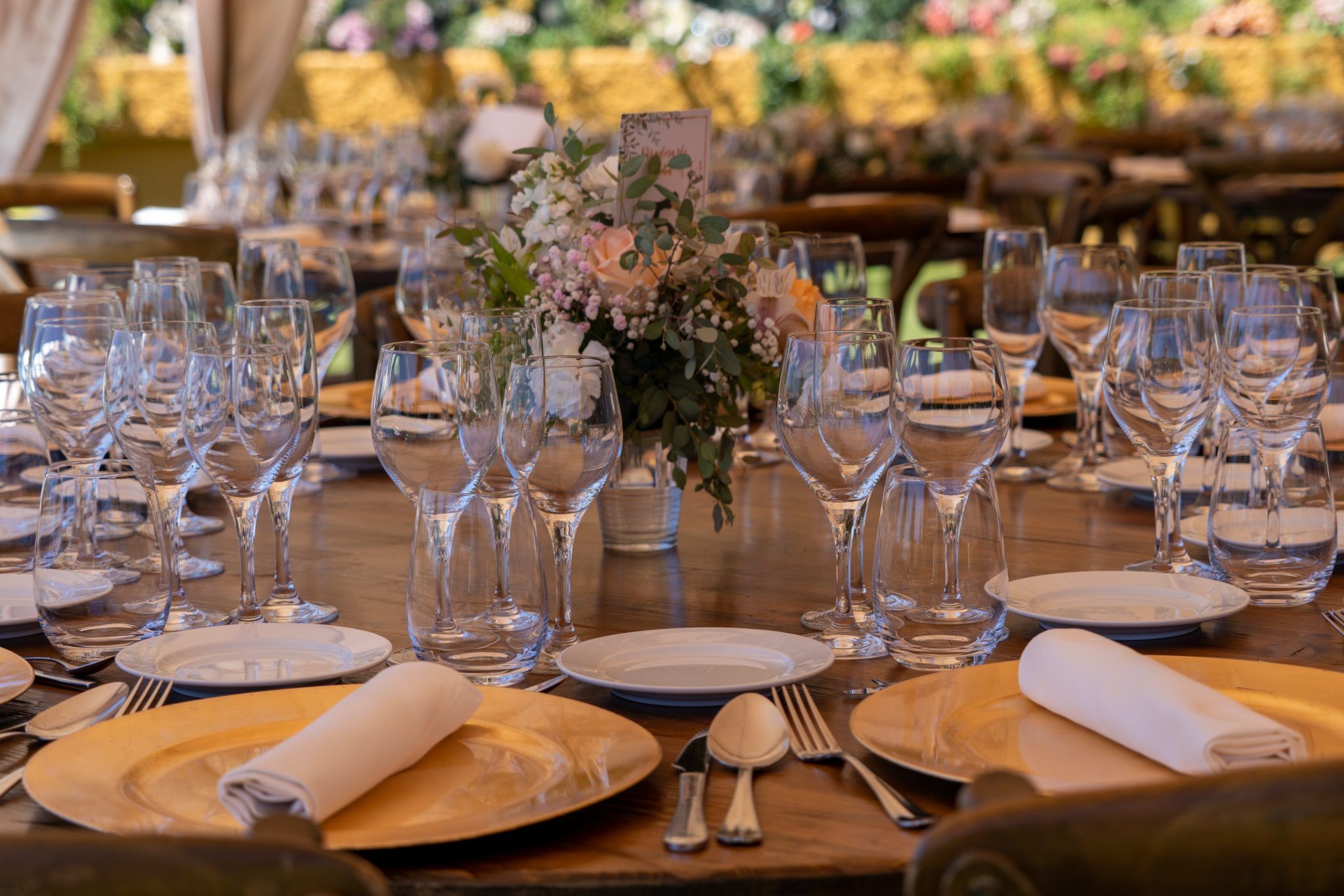
At a hotel, the venue, the caterer, the bar and usually the AV are the same company. When the ceremony runs forty minutes late, that company reorganises itself. Nobody bills you for a dispute between two vendors, because there aren't two vendors.
At a standalone venue you're the general contractor. For some couples that's the point — you pick every supplier and the wedding is genuinely yours. For others it's three months of coordination they didn't budget for. Neither answer is wrong; they're just different jobs.
Where a standalone venue wins
Three situations, stated plainly, where the hotel is the worse choice:
- You want the building to yourself, and a full hotel buyout isn't realistic. Most hotels will run your wedding alongside a conference, a bar full of strangers and a lobby you don't control. A standalone venue is exclusively yours by default. The hotel version of that is a buyout, which is a different budget conversation.
- The venue's character is the design. A hotel ballroom is a well-run neutral box, and dressing it takes real money. A venue with its own strong aesthetic does that work for free.
- You need your own caterer. Cultural menus, a family cook, a restaurant that matters to you — an open-catering venue makes it easy and most hotels make it expensive or impossible.
Where the hotel wins
Equally plainly: most of your guests are traveling in. If more than about half your guest list needs a bed, the hotel's advantages compound — rooms at a group rate, no transport plan, no drink-driving problem, an unforced welcome drinks and morning-after, and a single venue contact who is also the person holding the rooms. That's the case the hotel is built for, and it's the one where a standalone venue quietly hands you three extra problems.
If that's your wedding, Hotel wedding venues: the complete guide is where to start.
What this comparison is not
It isn't a price argument. Hotels are not inherently more or less expensive than standalone venues — both span an enormous range. The $8,573 national venue-rental average is a market-wide figure across every venue type; Zola's own data puts hotels at about 2.5 times it, and Zola calls that a premium, partly offset by what hotels bundle in. What differs is what's inside the number: a hotel quote usually contains catering and a rain plan, and a standalone quote often doesn't. Compare totals, not headline site fees. Hotel wedding packages, explained shows what's typically bundled on the hotel side.
Read next
- Hotel wedding venues: the complete guide — the full category, if the hotel side is where you're landing
- Indoor vs. outdoor: what hotels actually offer — the rain-contingency difference in full
- Hotel wedding packages, explained — what a hotel quote contains that a site fee doesn't
- Hotel wedding room blocks: how they actually work — the guest-accommodation side, properly
This guide compares structures, not specific venues, and makes no claim about any named property. We list hotels only — if a venue without guest rooms is the right answer for your wedding, this isn't the directory that will find it for you.